Shopify CEO runs a personal AI assistant in his wine cellar
Shopify CEO Tobi Lütke operates a personal AI assistant in his wine cellar. The system uses data collected by his Fitbit to identify the meetings that cause him the most stress.
- Source
- Bing News – Wine AI
- Published
- Reading time
- 2 min read
- Region
- International
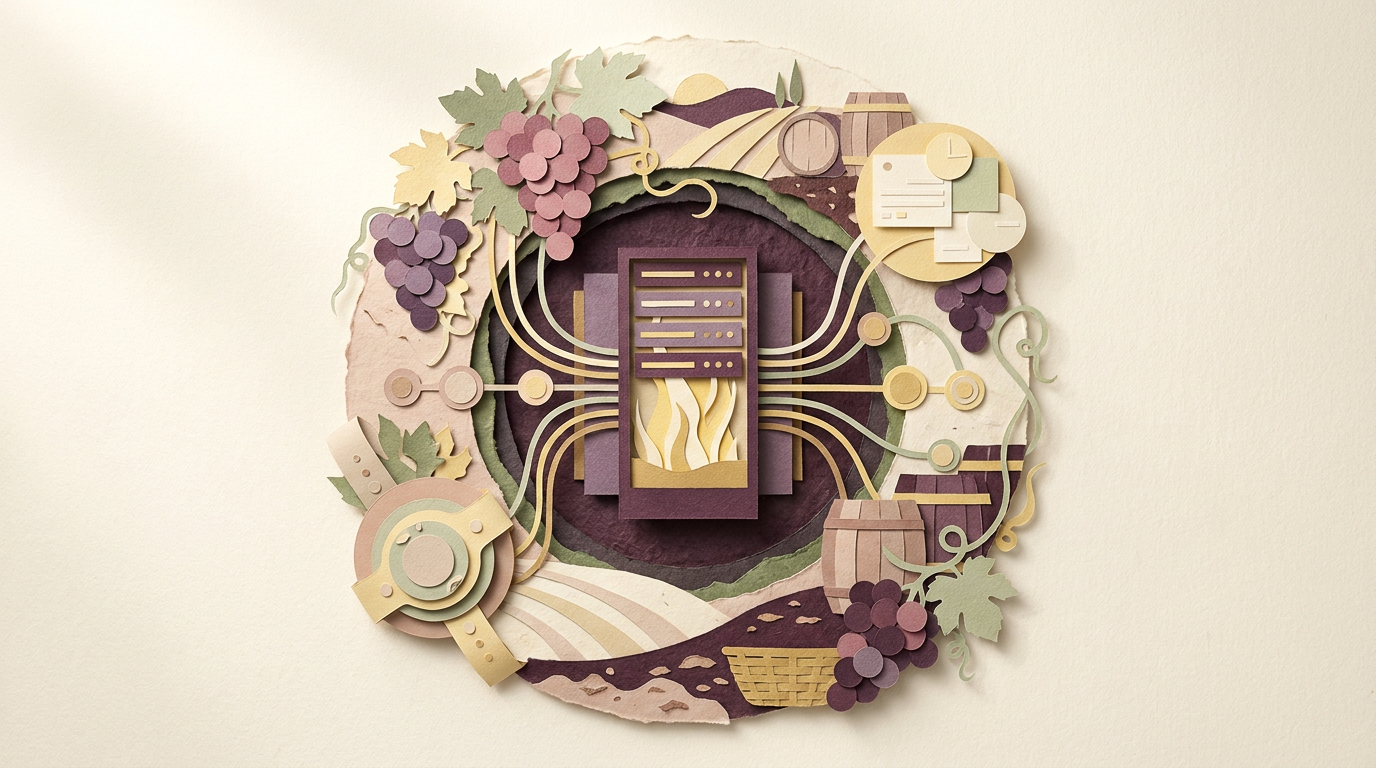
Personal AI in a wine cellar
Tobi Lütke, chief executive of Shopify, runs a personal artificial intelligence assistant in his wine cellar. According to the available account, the system analyzes Fitbit data and uses it to identify which of his meetings cause him the most stress.
The source does not provide technical details about the AI setup, the models involved, or how information recorded by the Fitbit is connected with Lütke’s calendar or individual meetings. It is also unclear whether the assistant operates in real time or evaluates the data retrospectively.
Wearable data and workplace pressure
In this use case, data from a wearable device is being applied beyond general fitness tracking to examine a personal pattern at work. The AI assistant’s stated role is to determine which meetings are associated with the strongest stress responses. However, the supplied summary does not specify which Fitbit metrics are monitored or explain how the system distinguishes the impact of meetings from other potential sources of stress.
The available material also does not say how Lütke uses the findings or whether the assistant provides recommendations based on its analysis. No further information is given about the system’s accuracy, its data-security arrangements, or where and how the personal data is stored.
These missing details matter when assessing what the system can reliably conclude. The description establishes that Fitbit information and meeting-related stress are connected through a personal AI assistant, but it does not provide enough evidence to evaluate the underlying methodology.
A wine setting, not a winemaking application
Although the AI assistant is located in a wine cellar, the supplied information does not indicate that it manages bottles, controls cellar conditions, or supports winemaking. In this account, the cellar is the physical location of the system, while its described function concerns personal stress analysis.
The distinction is important: placing computing equipment in a wine-related environment does not by itself make the technology a viticulture or winemaking tool. No details are available about the cellar, the equipment installed there, or the reason that location was selected.
The original report was published by Bing News – Wine AI.
Related articles
More stories from the same topic area.
Back to news Winemaking
Cabrillo College Adds Winemaking and Drone Technology Classes
Cabrillo College is expanding its spring offering with new classes focused on career preparation. The announcement identifies winemaking, drone technology and HVAC, but provides no details about curricula, schedules or enrollment requirements.
Google News – Viticulture Robotics & Sensors · 28 October 2026 · 2 min read
 Winemaking
Making Italian Wine Relevant to the Next Generation
In episode 2818 of Masterclass US Wine Market, Juliana Colangelo and Amari Collins, known as Vin Dealer, explore how wine—and Italian wine in particular, according to the episode title—can become more relevant to the next generation of consumers.
Wine Industry Advisor · 22 October 2026 · 2 min read
 Winemaking
Five companies receive 2026 WINnovation Awards for wine industry advances
Five wine industry companies have received 2026 WINnovation Awards. The recognition highlights how artificial intelligence is becoming a practical tool across workflows from the vineyard to packaging, while also acknowledging innovation beyond AI.
Wine Industry Advisor · 21 October 2026 · 2 min read